Connections Between Slot Machine Progressives and Real-Time Sports Markets via Secure Payment Channels Under Gambling Laws
Otto Walter · Oct 24, 2026
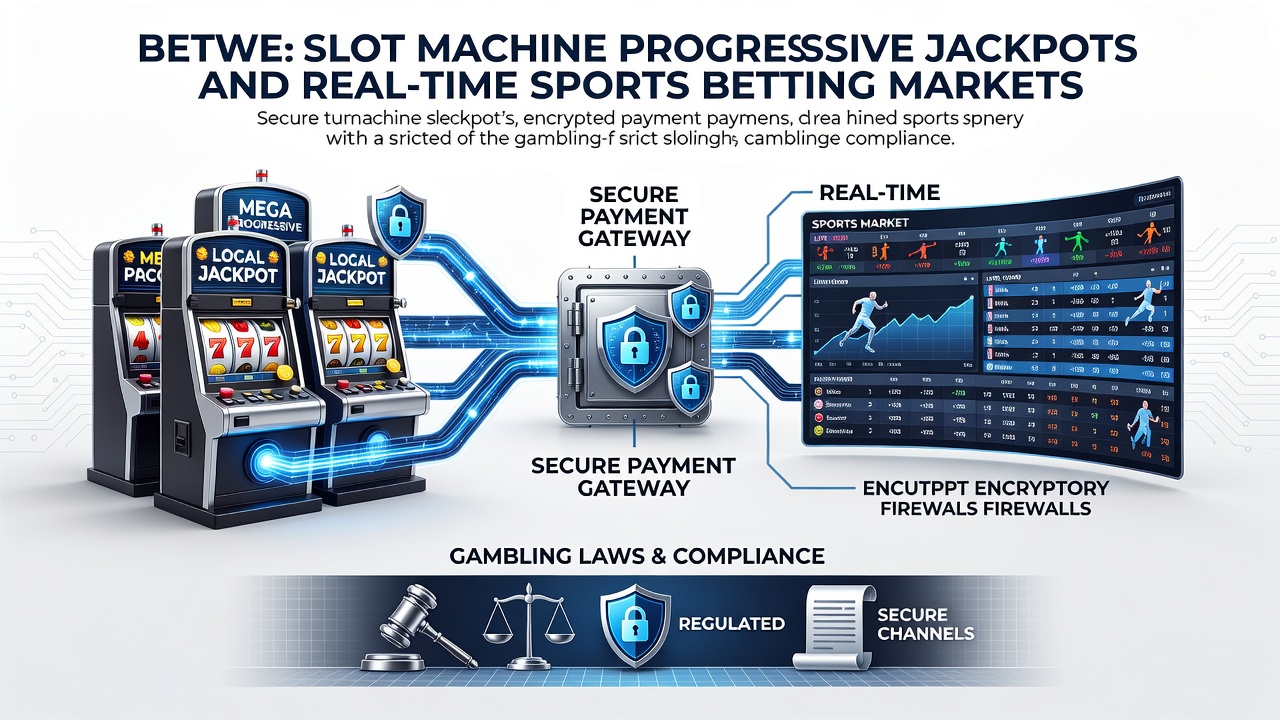
Connections Between Slot Machine Progressives and Real-Time Sports Markets via Secure Payment Channels Under Gambling Laws
Progressive slot machines accumulate jackpots across networks of devices, and these systems now connect to real-time sports markets through encrypted payment channels that comply with established gambling statutes in multiple jurisdictions. Operators route funds between slot progressives and live betting interfaces using tokenization methods that meet standards set by state and national regulators, allowing seamless transfers while maintaining audit trails required under law.
Regulatory Foundations Governing These Integrations
Data from October 2026 indicates that seventeen U.S. jurisdictions recorded combined handles exceeding prior benchmarks, with payment processors handling cross-product transactions between slots and sports books under unified licensing agreements. Authorities such as the Nevada Gaming Control Board require that all linked systems undergo independent testing for security protocols before progressive pools can interface with sports wagering platforms. European frameworks similarly mandate that operators segment player funds and verify transaction origins, preventing commingling that could violate anti-money laundering provisions.
These rules emerged from earlier legislation that treated slot progressives and sports betting as distinct categories, yet amendments in recent years have permitted shared infrastructure when operators demonstrate compliance through continuous monitoring. Researchers at academic institutions have documented how regulatory updates in North American markets align with standards used in Australian oversight bodies, creating pathways for international operators to standardize their payment rails.
Mechanics of Secure Payment Channels
Encrypted application programming interfaces transmit jackpot contributions from slot networks directly into sports market liquidity pools, with each transfer timestamped and logged for regulatory review. Token-based systems replace card details with unique identifiers that expire after single sessions, reducing exposure while satisfying data protection statutes in force across participating regions. Operators deploy these channels in mobile environments where real-time odds updates coincide with progressive meter increments, enabling players to move balances without exiting the primary application.
Case examples from integrated platforms show that a single authentication layer can authorize both a progressive slot spin and a live sports wager, provided the underlying payment processor maintains separate ledgers for each product type. This separation satisfies legal requirements that treat gaming and wagering revenues differently for taxation purposes in most jurisdictions.
October 2026 Performance Metrics and System Load
Figures released in October 2026 revealed that mobile sessions linking slot progressives to sports markets increased by double-digit percentages in several regulated markets, driven by improved channel speeds and expanded live event calendars. Processors reported average transaction times under three seconds for cross-product transfers, a threshold maintained through redundant encryption layers that also support audit queries from oversight agencies. Industry reports compiled by research consortia noted that these efficiencies reduced player friction without altering the underlying probability structures of either slot progressives or sports outcomes.
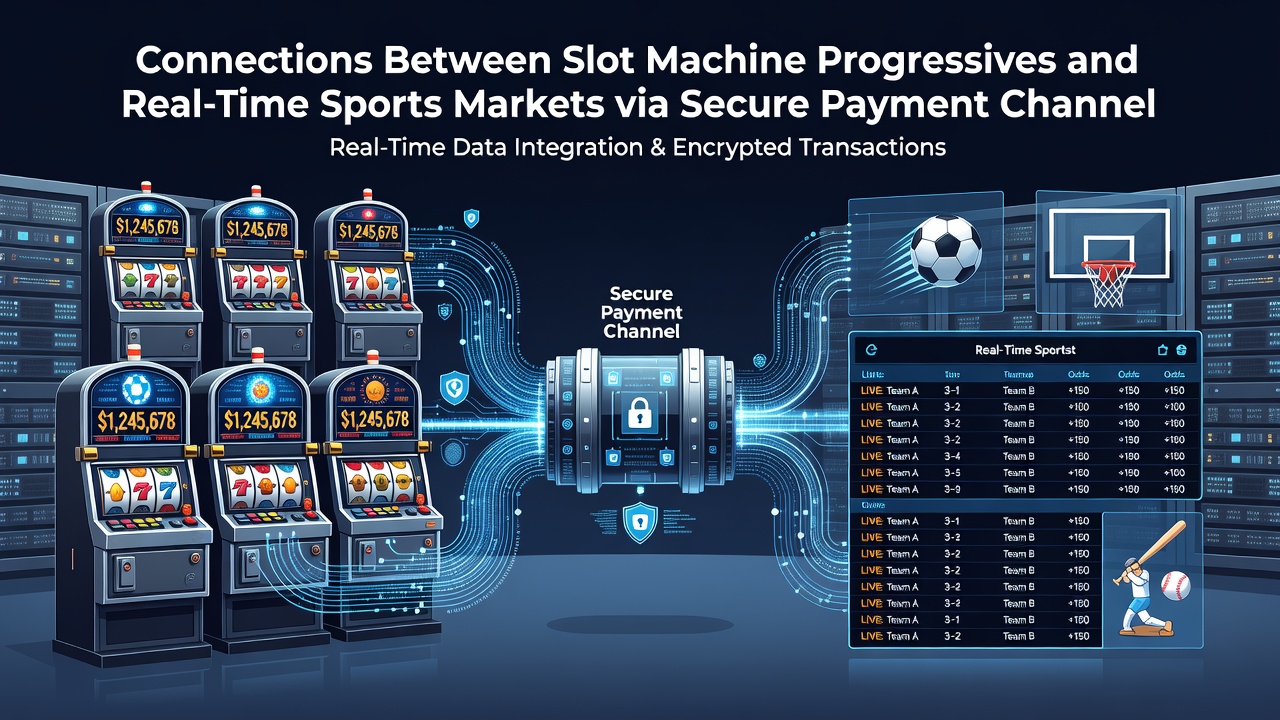
Technical and Compliance Intersections
Developers embed geofencing and identity verification modules directly into the payment stack so that progressive contributions and sports stakes remain confined to approved territories. Compliance teams at licensed operators conduct daily reconciliation of pooled funds against transaction logs, a practice required under statutes that demand real-time visibility for regulators. One documented implementation in a multi-state network used distributed ledger entries to record each progressive increment and corresponding sports market adjustment, allowing instant verification during periodic examinations.
Payment providers certified under these frameworks often partner with both slot manufacturers and sports data suppliers to ensure that jackpot triggers do not interfere with live odds feeds. The resulting architecture supports simultaneous play across products while preserving the distinct mathematical models that govern each category.
Conclusion
Secure payment channels now serve as the operational bridge between slot machine progressives and real-time sports markets, operating under layered gambling laws that prioritize transaction integrity and jurisdictional compliance. October 2026 data confirms continued expansion of these linkages in regulated environments, supported by standardized encryption and auditing practices that multiple authorities accept. Operators continue to refine these connections to accommodate growing volumes while meeting the separate accounting and reporting obligations that statutes impose on each product type.