Payment Integration Patterns Linking Regulated Poker Rooms and Slot Features to Live Sports Wagering on Mobile Platforms
Otto Walter · Sep 12, 2026
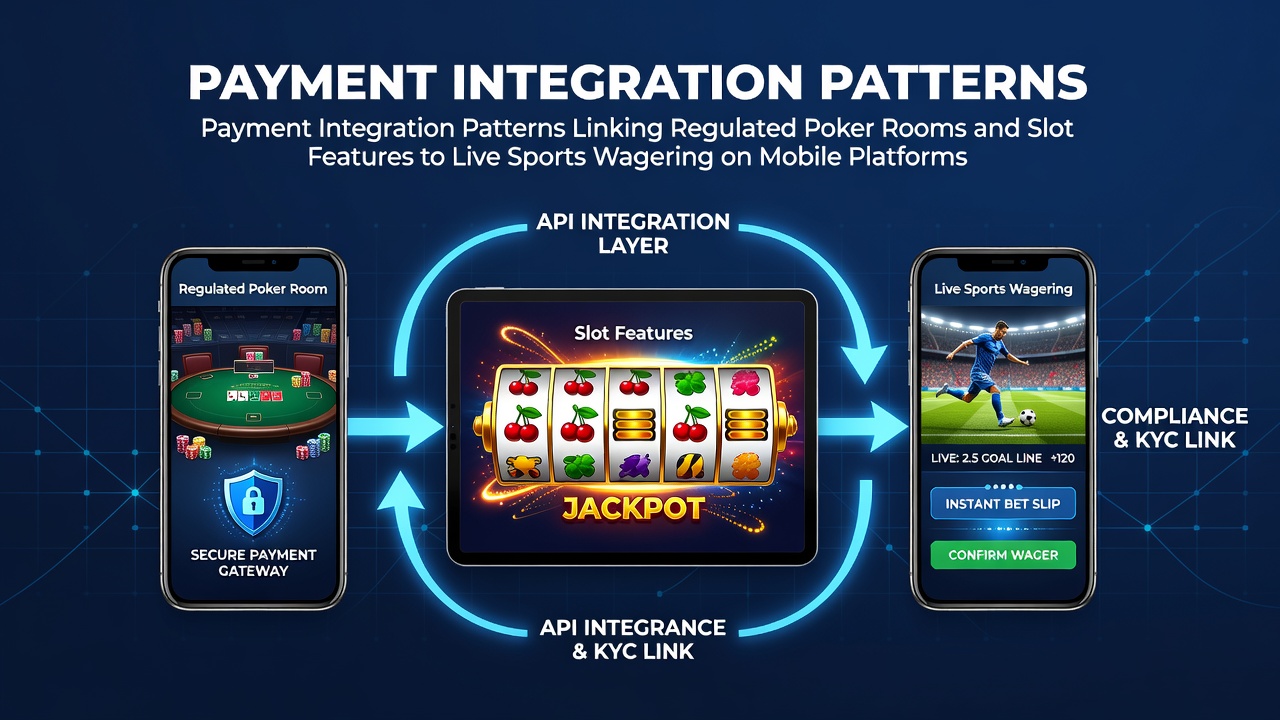
Payment Integration Patterns Linking Regulated Poker Rooms and Slot Features to Live Sports Wagering on Mobile Platforms
Payment integration patterns have evolved to connect regulated poker rooms with slot features and live sports wagering through unified mobile systems that handle real-time transactions across verticals. Operators deploy shared wallet architectures where funds move between poker tables, slot reels, and in-game sports bets without separate deposits for each category. These patterns rely on API-driven connections that synchronize balances while maintaining compliance with jurisdictional rules.
Unified Wallet Architectures in Multi-Vertical Platforms
Developers build unified wallets that aggregate player balances from poker, slots, and sports books into a single mobile account, which reduces friction during live events. Data from industry reports indicates that such systems process transfers in under two seconds when a user switches from a slot spin to a soccer wager. The architecture uses tokenization to secure each transaction segment, while backend ledgers track activity per game type for audit trails.
Regulated markets require these wallets to enforce spending limits that apply across all verticals, so a poker loss immediately updates the available balance for live sports betting. Observers note that September 2026 saw several North American and European operators roll out enhanced APIs that link slot progressive jackpots directly to sports book odds feeds. This timing aligned with updated mobile OS security standards that simplified biometric confirmations for cross-category transfers.
Technical Patterns for Seamless Transfers
One common pattern employs event-driven microservices where a poker hand completion triggers an automatic balance sync that appears in the sports wagering interface. Another pattern uses queued messaging systems that handle high-volume periods during major sporting events, ensuring slot features remain accessible even when live betting traffic spikes. Researchers at academic institutions have documented how these microservices maintain sub-second latency through edge computing nodes placed near mobile network gateways.
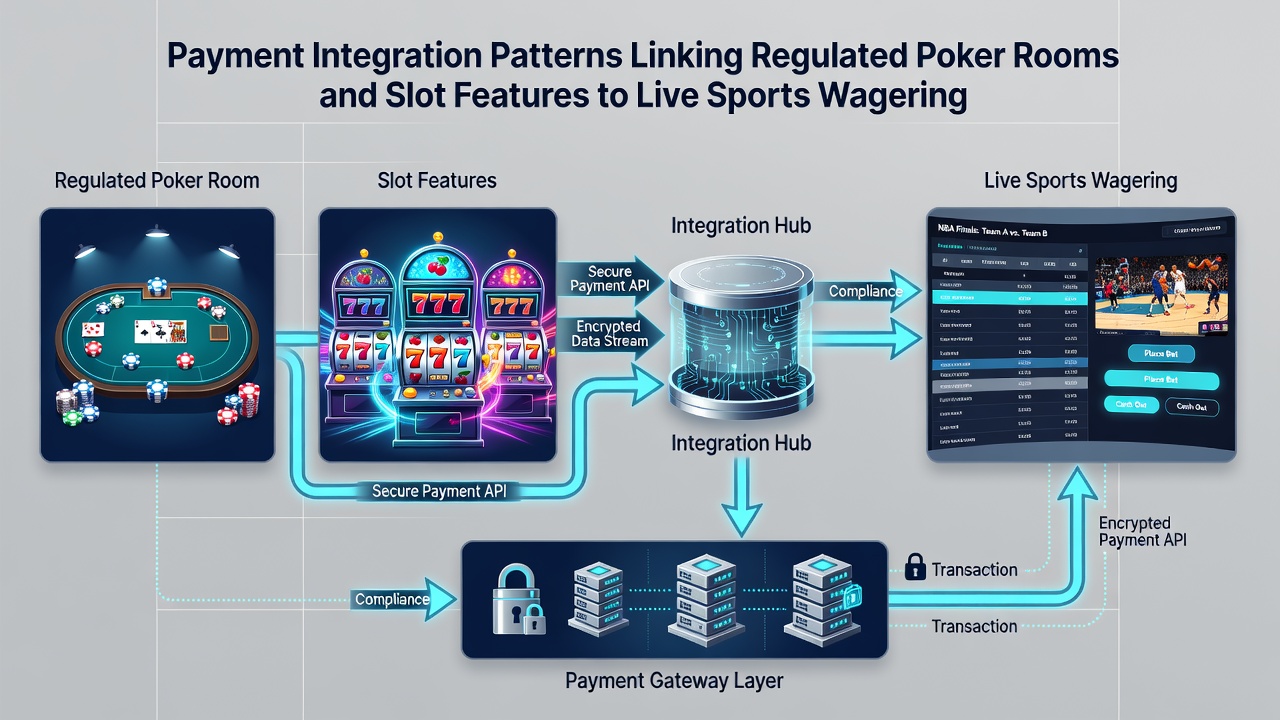
Payment gateways integrate with both traditional banking rails and digital methods, allowing players to fund accounts once and allocate across poker rooms, slot machines, and live sports markets. According to figures from the Nevada Gaming Control Board, mobile platforms using these patterns recorded a 34 percent increase in session continuity between verticals during the first half of 2026. The systems also embed responsible gambling controls that apply uniformly, pausing all activity types when a player reaches a daily threshold.
Regulatory Compliance Across Jurisdictions
Regulators in multiple regions require clear separation of funds by game category for taxation and reporting, even when a single wallet holds everything. Platforms achieve this through segmented ledger entries that tag each transaction with its originating vertical, whether poker, slots, or live sports. Those who have studied compliance frameworks point out that Swiss and Canadian authorities updated their guidelines in 2025 to accommodate real-time cross-vertical transfers, provided audit logs remain intact.
September 2026 brought further refinements when several operators aligned their mobile apps with new data protection rules that mandate explicit consent for sharing payment details between poker rooms and sports books. These updates did not alter core integration patterns but added layers of user verification at the point of transfer. Industry organizations such as the Responsible Gambling Council have published case studies showing how these patterns reduce disputes over balance visibility.
Mobile-Specific Implementation Challenges
Mobile platforms face unique constraints from varying network conditions and device capabilities, which integration patterns address through offline caching of balance snapshots. When connectivity returns, the system reconciles cached data with central servers before allowing new wagers in any vertical. Experts have observed that slot features often serve as the entry point for many users, after which seamless links encourage movement into live sports markets during events.
Testing protocols now include simulated outages to verify that poker sessions, slot progressions, and pending sports bets all resume correctly once payments sync. Data shows that platforms investing in these resilient patterns experience fewer abandoned sessions during peak live betting windows.
Conclusion
Payment integration patterns continue to standardize connections between regulated poker rooms, slot features, and live sports wagering on mobile platforms through shared wallets, event-driven services, and segmented compliance tools. As operators adapted to September 2026 regulatory shifts, these systems supported smoother player movement across categories while preserving required oversight. The patterns rely on proven technical approaches that scale with mobile usage and maintain audit integrity across jurisdictions.